Vision
Design industrial models that reduce dependence on petroleum-based packaging and create useful local value.
Technical Advantages
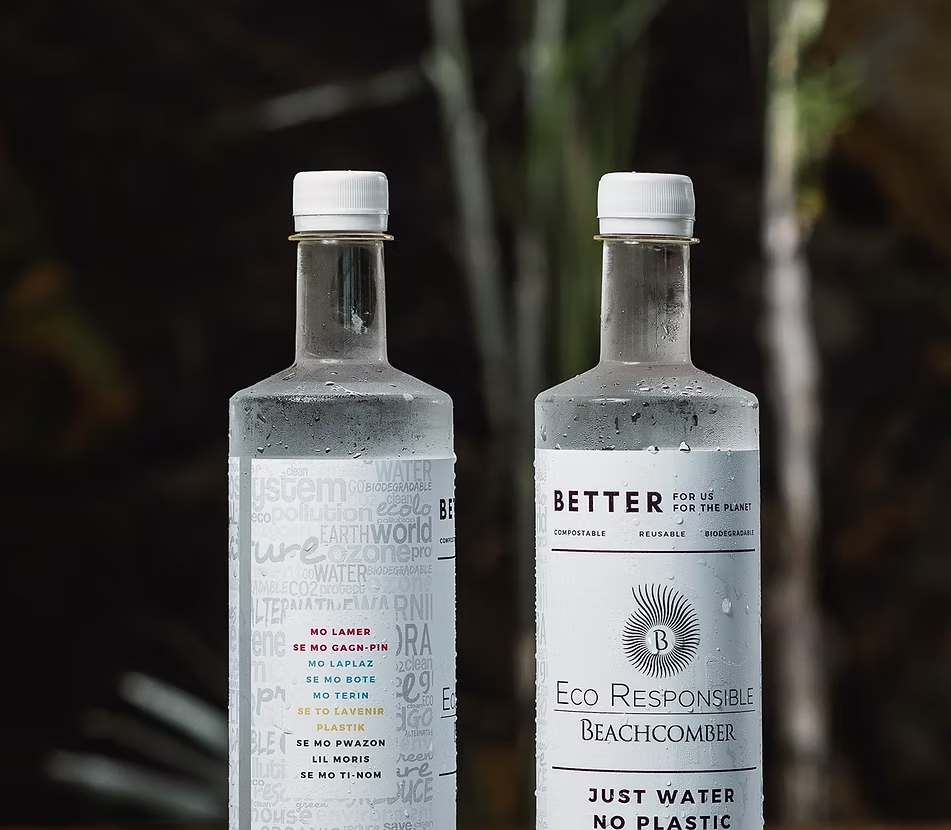
Pelican Project structures projects around certified plant-based material grades, food-contact documentation, migration analyses and real industrial references. The objective is not only to change packaging — it is to do it with a technically documented solution.
01 / CERTIFIED MATERIAL GRADES
Selected material grades are supported by recognized certifications and technical documentation. Final product compliance must always be assessed according to the formulation, process, bottled water and target market.
Certified compostability under recognized conditions, supporting the technical credibility of the material family used in Pelican Project developments.
Additional compostability reference supporting agricultural end-of-life contexts where applicable and documented.
Food-contact documentation is available for relevant material grades, with project-by-project verification of the finished bottle and the packaged water.
Material grades can be supported by bio-based content certification, helping demonstrate the renewable origin of the solution.
02 / TECHNICAL PROOF
Migration analyses are available, adding an important level of support for food-contact applications and technical due diligence.
The material family has already been produced and used in other territories, which helps demonstrate operational reality beyond a laboratory-only concept.
The solution is based on plant-derived resources and helps reduce dependence on petroleum-based packaging narratives.
Technical files can support business cases, customer discussions, industrial validation and selected regulatory documentation workflows.
03 / IMPACT REPORTS & MICROPLASTICS
Beyond material certificates, Pelican Project can also rely on comparative technical syntheses and support documents that help explain the environmental and technical positioning of plant-based solutions compared with conventional petroleum-based packaging narratives.
Pelican Project can support project discussions with comparative syntheses and editorial PDF notes designed to highlight technical and environmental advantages in a clear, business-friendly format.
In the CIPET / SARP-LARPM study summary, recoverable PLA particles fell from 287 to 18 particles/kg between day 30 and day 180 (−93.7%), while PET fell from 276 to 261 particles/kg (−5.4%) under the reported test conditions.
The microplastics synthesis can be shared as a PDF support document for project presentations and commercial discussions.
Scope & caution: the source note indicates that PLA was UV-aged beforehand, unlike PET. The decrease in detected particles does not by itself prove complete mineralization, and the tests were conducted on polymer samples rather than on a finished bottle. The synthesis is editorial support material and not a certification.
04 / WHY IT MATTERS
Switching to a plant-based bottle approach is not only about sustainability messaging. It can also support differentiation, local industrial logic and a more credible project story for hospitality, islands, premium water brands and private-label projects.
Renewable-origin packaging helps premium brands and hospitality projects differentiate their offer with a clearer sustainability narrative.
Recognized certifications and technical documents help investors, partners and customers evaluate the project on tangible data.
Pelican Project combines bottle development and industrial implementation, which can support more local value creation and reduced logistics dependence.
The bottle solution can be paired with water from a spring, public network, existing installation or optional atmospheric water generation.
We can review your market, bottle formats, local constraints and documentation needs in order to define the most relevant technical path.
Note: compostability, food-contact suitability, migration results and bio-based content certifications depend on the selected grade and on verification of the final product configuration for the target market.
Pelican Project
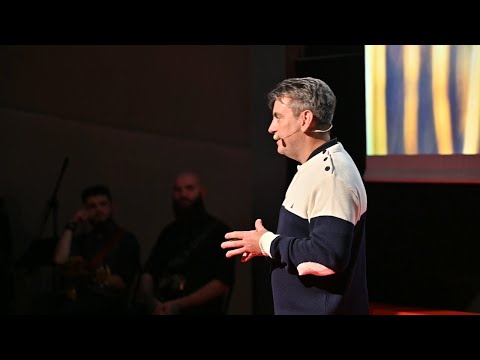
Meet Nicolas Moufflet and the experience behind Pelican Project.
Meet Nicolas
Pelican Project is led by Nicolas Moufflet, a French entrepreneur and consultant dedicated to practical solutions against plastic pollution. His work combines eco-design, bio-inspired thinking, industrial packaging experience and project structuring for territories and investors.
The objective is not to sell a dream. It is to help decision-makers build a credible project file, understand the constraints and organize the right partners before committing to industrial investment.
Recognition
Awards and milestones connected to Nicolas Moufflet’s work in sustainable packaging, eco-design and environmental innovation.
TEDx 2025
This talk reflects the long-term commitment behind Pelican Project and puts the plastic bottle challenge into a broader environmental perspective.
Design industrial models that reduce dependence on petroleum-based packaging and create useful local value.
Keep the sustainability promise connected to technical, economic and regulatory reality.
Support projects that protect biodiversity, human health and the credibility of environmental innovation.